
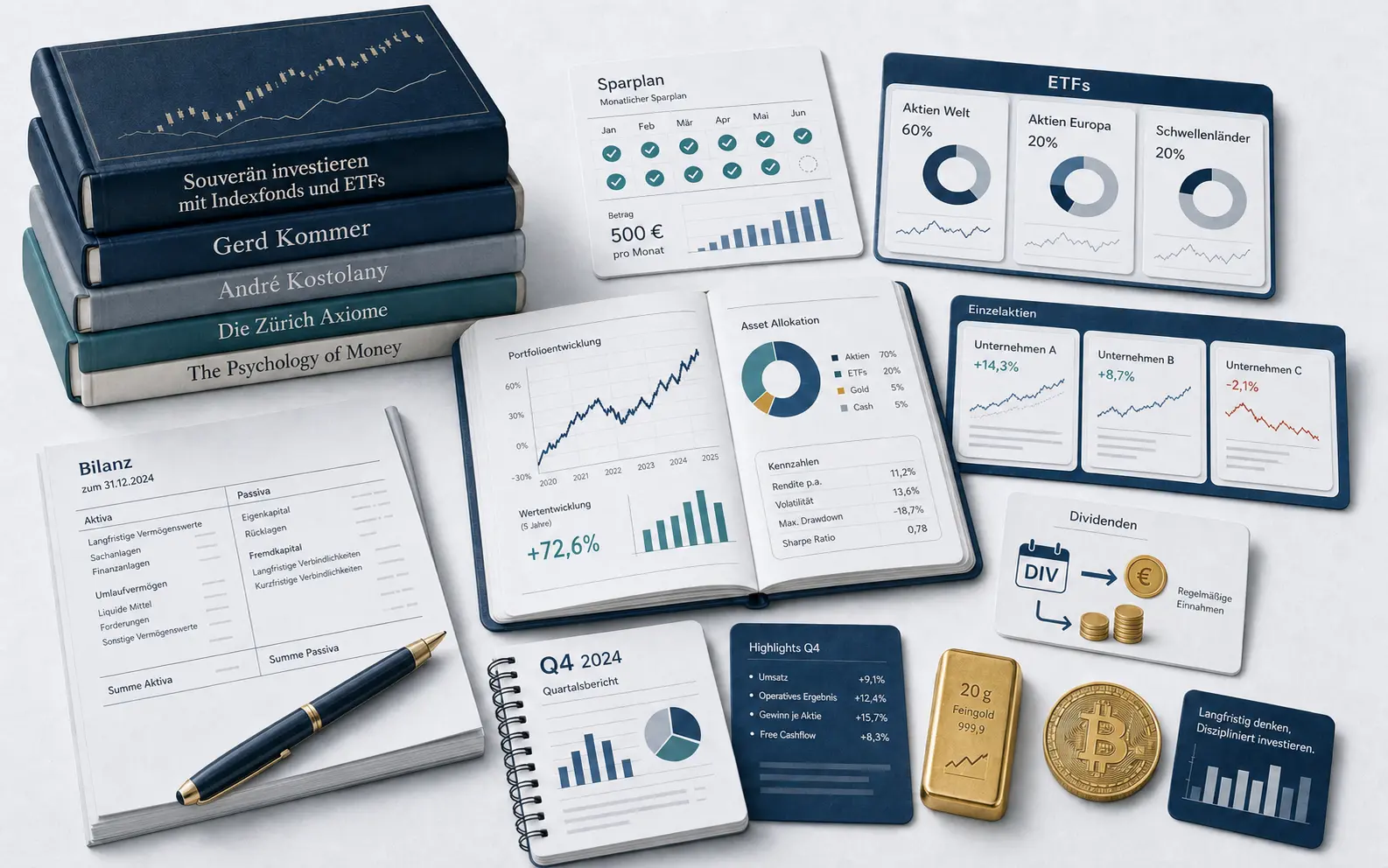
My first 5 years in the stock market - a personal reflection
Five years ago, fresh out of university and newly relocated to the beautiful Lake Constance, I began my journey into the world of investing. Looking back, it's been a path full of learning, mistakes, switching strategies, and, maybe most importantly, discovering what money and wealth actually mean to me.
I wouldn't call myself a member of the FIRE movement (Frugalismus in Germany), but investing has definitely changed the way I think about spending, saving, and the psychology behind money. My favorite Stoic philosopher has known this already thousands of years ago.
“It is not the man who has too little who is poor, but the one who hankers after more.”
― Seneca, Letters from a Stoic
For me, building wealth has never been about buying expensive things later. It’s about having options. Freedom. The ability to decide how I want to spend my time and energy in the future. Building wealth based on multiple assets is a solid foundation for a free, self-determined life.
First Steps: Learning the Basics
During my studies, I always worked part-time to cover basic living costs. But after graduation, for the first time, I found myself with a bit more financial capacity. I was still living in a shared flat, but I finally had the chance to think beyond rent, groceries, and semester tickets.
At that time, one of my roommates was already active in the stock market. That sparked my interest and made me start reading about the topic. My first real step was picking up 'Souverän investieren mit Indexfonds und ETFs' by Gerd Kommer. That book became my entry point. It was rational, data-driven, and therefore perfectly aligned with my engineering mindset.
I opened a brokerage account separate from my main bank account and started "paying myself first" with a fixed monthly savings rate. My first investments went into broad ETFs: MSCI World and MSCI Emerging Markets. I also binge-watched Finanzfluss and Finanztip videos on YouTube to deepen my knowledge. Timing-wise, I was lucky. I started just a few months after the COVID crash, right as the bull market continued.
Finding my Personal Strategy
Being an engineer, I naturally went deep into research mode. I started reading a lot about passive investing and then moved into more complex topics like factor investing, including momentum and value-based approaches.
As time went on, I became more curious about individual companies. What started as a simple ETF strategy evolved into something more active. I found myself reading quarterly earnings reports and spending hours on investor relations pages of my favorite stocks. I read everything I could: value investing classics, swing trading guides, and modern portfolio theory.
It took me around three years, and a lot of trial and error, to find what works for me (... currently). Today, my portfolio consists of:
- Distributing ETFs ('The World AG')
- Dividend-paying REITs
- Some consumer staples and a few other dividend aristocrats
- Gold and Bitcoin
- Tech and growth companies I find exciting for their industry-disrupting potential
I'm fully aware that accumulating ETFs might be more tax-efficient in Germany, but I prefer receiving regular dividends. For me, passive income that grows over decades is more motivating than tax optimization. I also like the idea of being paid a share of a company’s profits without having to sell my shares (... to fund my retirement).
I now have more capital in single stocks than in ETFs, and I genuinely enjoy being a direct shareholder. I follow "my" companies closely, which makes investing more engaging and personal.
I don’t like rebalancing by selling well-performing companies. Many studies show that overall market returns are often driven by a few outstanding stocks. My approach: let the winners run, and use the losers for the "Verlusttopf". I prefer rebalancing through new investments instead.
Books that Shaped My Thinking
Looking back, there were a few books and resources that really influenced how I think about investing today. When I started, I spent countless evenings watching Finanzfluss and reading books like those by Gerd Kommer. That's where I built my basic understanding.
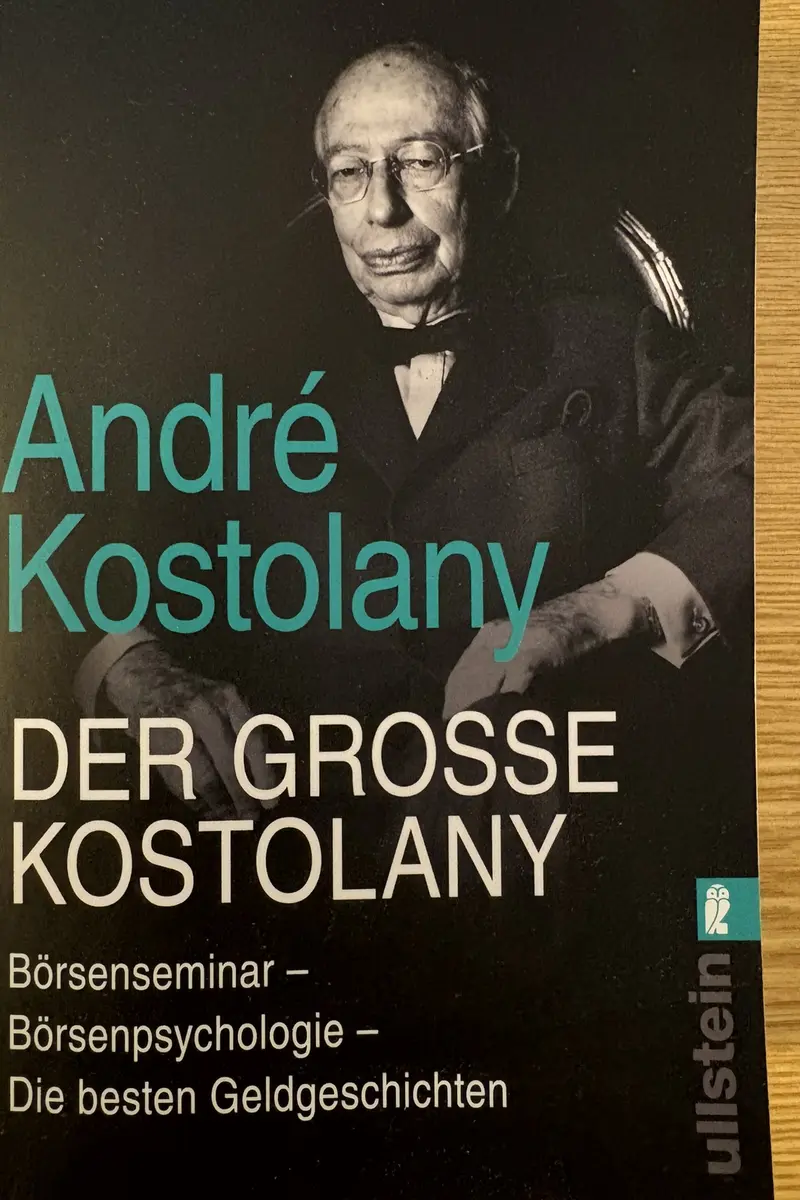
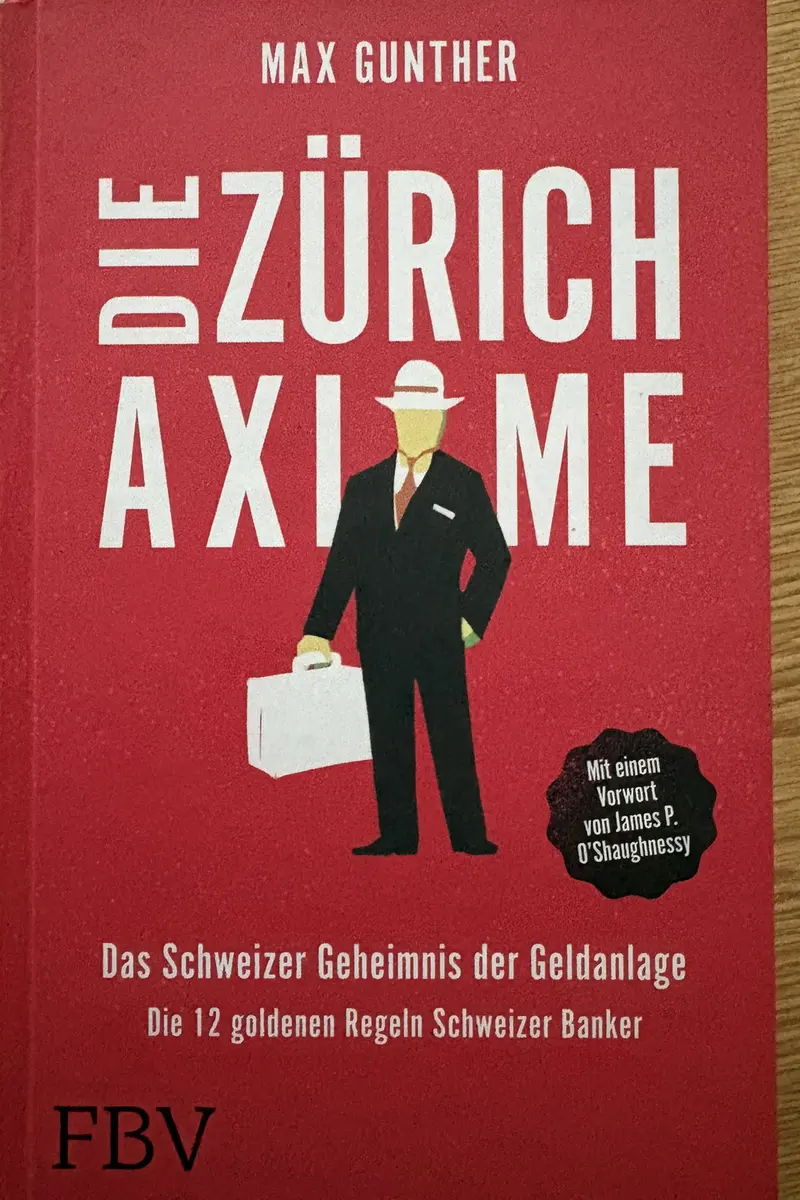
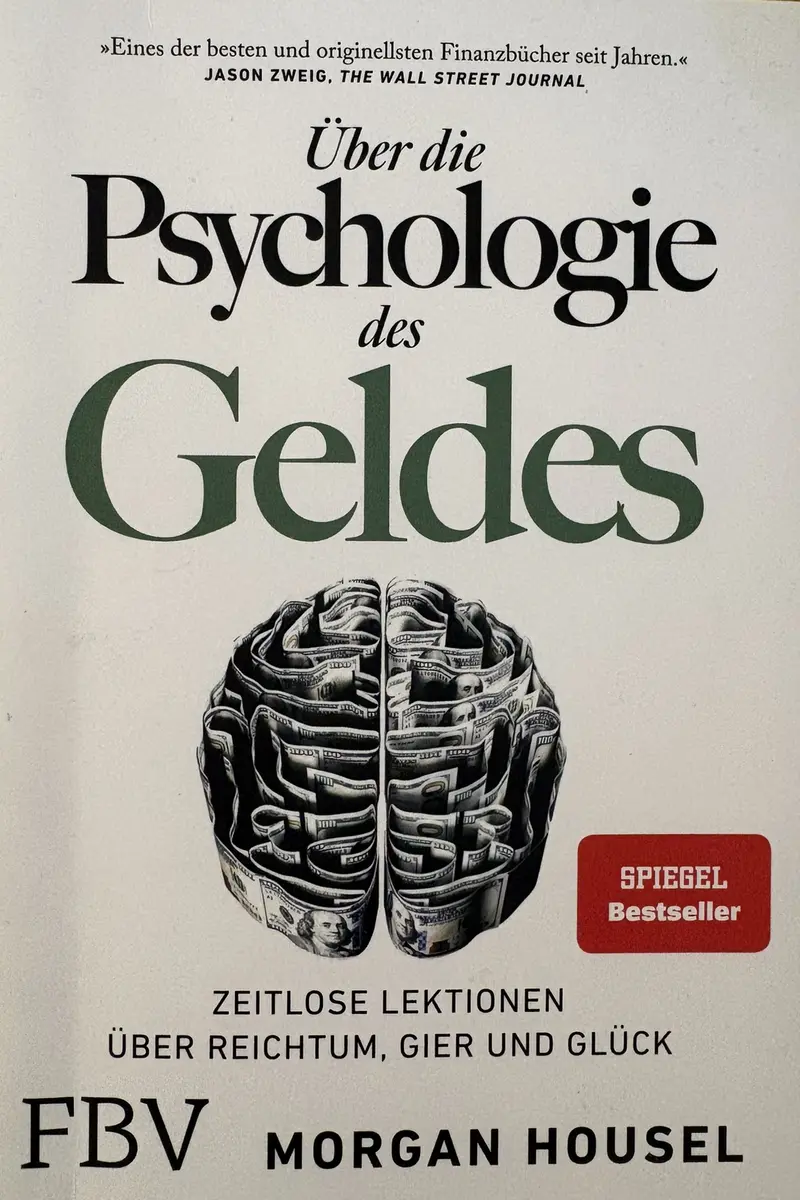
Beyond these foundation books, I'm glad I also read others that broadened my horizon and shaped the way I see markets today. I love the books of André Kostolany. His entertaining personal anecdotes from decades of experience made me see the stock market from a completely different angle. Then there's 'Die Zürich Axiome' by Max Gunther. It challenged some of the "safe and steady" principles I had picked up earlier and made me reflect on how I personally handle risk. Last but not least, 'The Psychology of Money' by Morgan Housel opened my eyes to how much biases and emotions influence financial decisions.
Final Words
Starting to invest at 24 turned out to be one of the best decisions I’ve made. I’m also glad I navigated the process myself instead of relying on an investment advisor or expensive financial products.
It hasn't been a straight path. I've switched strategies, made mistakes, and spent months doubting certain decisions. Over time, I learned what fits my personality and my goals. For me, investing has become more than just a way to grow money. It's about freedom, patience, and understanding what really matters.